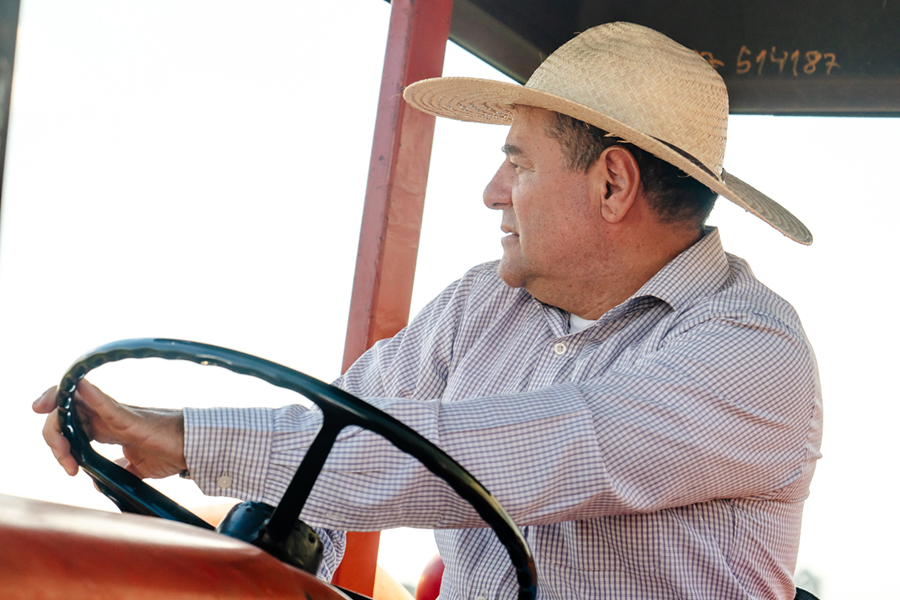
Older Americans living in rural communities face unique challenges in accessing healthcare and support services.
Approximately one in five older adults live in a rural county in the United States. Additionally, the U.S. Census Bureau estimates most of the country’s “older-age counties” – approximately 85 percent of 1,100 counties with high populations of individuals ages 65 and older – are rural.
For most, the desire to remain in their rural communities comes from wanting to remain in their longtime home, but even if they cannot stay in their residence, they would not want to leave their home community. Rural residents often report greater connections to the environment and their local social circles, as well as higher rates of community engagement.
But there are significant barriers to receiving quality healthcare and social services for rural community residents as they age in place, and two public policy and aging advocacy groups aren’t taking that sitting down. The Trust for America’s Health and the John A. Hartford Foundation recently published an issue brief addressing unique challenges older adults living in rural communities may face in receiving adequate care.
According to the brief, an estimated 60 million older Americans living in rural communities today are at risk of not receiving adequate healthcare and social services. The document cites many reasons for this, including rural hospitals closing at alarming rates. On top of that, the healthcare worker shortage crisis, financial insecurities and limited access to information may further hinder the adequate delivery of care to older adults in rural communities.
Live Where You Love
The Federal Office of Rural Health Policy defines a rural county as one with a population density of 35 or fewer people per square mile or a metro county that lacks an urban center. Trust for America’s Health and the John A. Hartford Foundation used this definition in crafting their issue brief and exploring access to care for aging Americans in rural communities.
According to the brief, 88 percent of adults ages 65 and older want to age in place. This means, they would prefer to remain in their homes and communities rather than seek institutional care in their later years and/or as their health declines.
“Rural communities often provide a source of enjoyment and life satisfaction for those who live there,” the brief notes. Despite many advantages, however, older adults in rural communities do often experience greater health disparities, as compared to those living in urban areas, including:
- Higher prevalence of chronic disease.
- Higher rates of depression and suicide.
- Lower rates of physical activity.
- Fewer opportunities for social connection.
- Shorter life expectancy.
Some of these disparities may be due to recent hospital closures, particularly in less-populated regions. Access to care is further limited by the healthcare worker shortage, which has only been exacerbated in the aftermath of the COVID-19 pandemic. Additionally, older adults may have limitations in accessing telehealth or lack the financial means to travel to cities or larger medical centers for care, according to the brief.
Staying on the Radar
“Effective policies and programs must recognize the vast uniqueness of rural communities. Despite sharing common features, differences in geography, demographics, and culture will always result in needs, strengths, and challenges unique to each community,” according to the brief.
Trust for America’s Health and the John A. Hartford Foundation have identified ways the public health community can help. Their recommendations are based on the Age-Friendly Public Health Systems’ 6Cs Framework for supporting healthy aging: Creating policy, complementing existing programs, communicating important information, collecting and analyzing data, coordinating existing services and connecting and convening stakeholders.
Public health officials and advocates for aging adults can further support those seeking to age in rural communities by not applying blanket policies to all rural communities. Every county is distinctive, and there is no one-size-fits-all approach to providing adequate care and support services.
“Public health is well-positioned to serve a critical role in creating age-inclusive rural communities that offer the ideal combination of services to support individuals as they age,” the organizations concluded. “Through the engagement of and coordination by public health, it is possible to allow individuals to age-in-community while creating a healthier community for all.”